Seasonal Kudu planning
Best Time to Hunt Kudu in South Africa
The best time to hunt Kudu in South Africa is usually the date range that balances cooler walking conditions, vegetation, likely animal movement and your own schedule—not one guaranteed month. Many hunters favour the drier autumn and winter period, but rut timing, weather, visibility and Kudu behaviour vary by region and year.
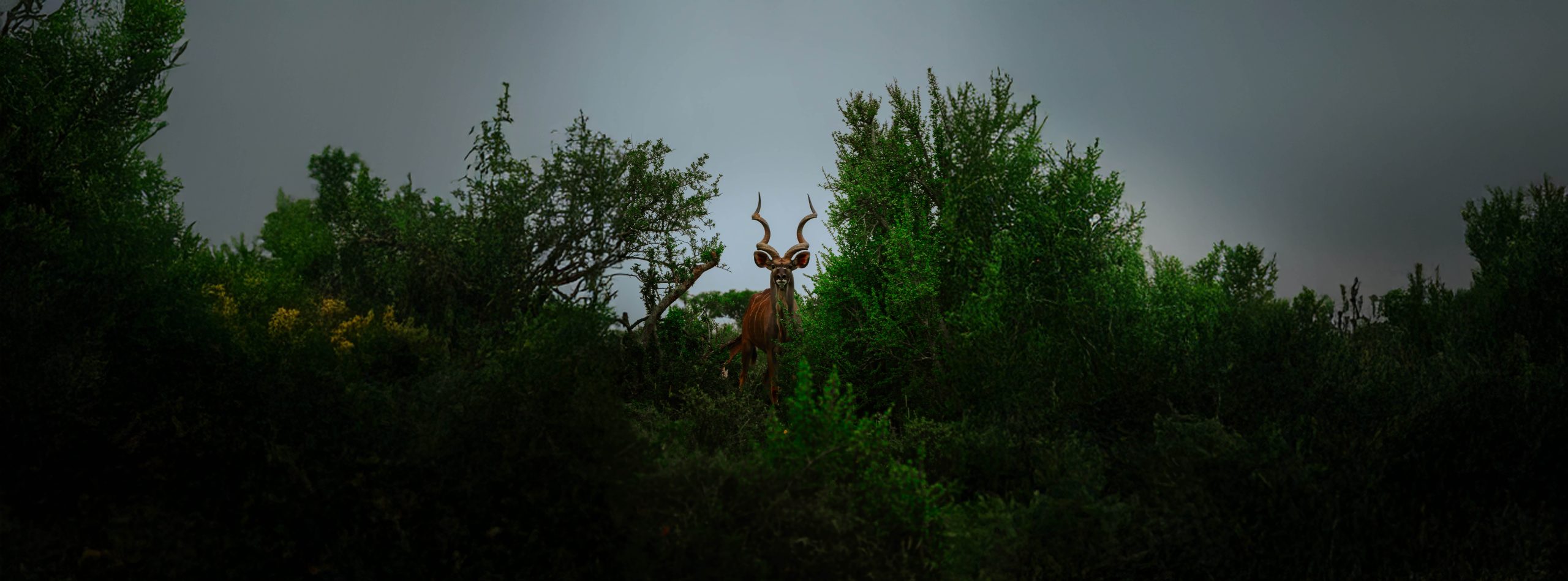
What is the South African hunting-season overview?
South African hunting is commonly planned through the cooler, drier part of the year, but regulations, outfitter operations and local conditions matter. The Eastern Cape is not climatically uniform: coast, mountains, interior valleys and thicket can experience different temperatures, rain and wind on the same dates.
This Kudu-specific guide supports Lalapa's broader article on the best time for a South African hunting safari. Use that article for general season selection and this page for Kudu priorities.
How does Kudu behaviour change through the season?
Kudu behaviour changes with breeding activity, available browse, water, temperature and disturbance. Bulls may be alone, in bachelor groups or associated with cows depending on the period and local conditions. A professional hunter uses recent sign, sightings, wind and knowledge of the area rather than assuming that a calendar guarantees movement.
What happens during the Kudu rut?
The rut can bring mature bulls into closer association with cows and may alter daytime movement. It can improve opportunities to locate bulls, but its start, intensity and duration vary. Lalapa cannot guarantee rut dates or promise that a particular bull will be visible during a booked week.
When are Kudu active?
Cooler morning and late-afternoon periods are often productive for glassing and movement. Midday is not automatically wasted: changing wind, shade, feeding patterns and the position of undisturbed animals can justify continued observation or a careful move.
How do vegetation, weather and terrain affect a Kudu hunt?
Vegetation and visibility
Drier conditions may reduce leaf cover in some areas, but evergreen thicket and local rainfall can preserve dense screening. Less foliage does not guarantee an unobstructed shot.
Temperature and walking
Cooler days can make long walks more comfortable. Cold starts may require layers that can be removed quietly as the day warms.
Rainfall and wind
Rain can change tracks, access and animal distribution. Wind affects scent, sound, glassing stability and safe shot selection, and Eastern Cape wind can be highly local.
Light and photography
Low-angle morning and afternoon light can suit photography, while companions may value milder temperatures or greener scenery more than maximum hunting visibility.
What should hunters wear and prepare for?
Use quiet, neutral layers rather than one heavy garment. Pack a warm outer layer for early starts, a breathable base, broken-in boots, sun protection and a compact rain layer. Confirm the actual packing recommendation shortly before travel because seasonal labels do not replace a forecast.
Physical preparation should match likely terrain. Cooler conditions do not remove slopes, uneven ground or the need to move quietly. Practise supported field positions, steady breathing after exertion and declining a shot when wind, vegetation or angle is wrong. See Lalapa's Safari Planning hub and Travel & Safari Info.
How should companions and booking availability affect dates?
A companion's comfort, photography plans and possible touring can change the best travel window for the group. Discuss preferred daily rhythm, accommodation and non-hunting priorities early. Review Lalapa's accommodation and include companion details in the enquiry.
Preferred weeks can fill before conditions are knowable. Ask for current availability, but do not book solely around an advertised rut date. A longer realistic window and a flexible species plan can be more valuable than chasing one “best” week.
Month-by-month Kudu planning guide
| Month | General planning context | Questions to ask |
|---|---|---|
| March | Late-summer or early-autumn conditions may still include warmth and variable vegetation. | What recent rain and daytime temperatures are expected? |
| April | Transition conditions can suit hunters who value moderate temperatures. | How green or dense is the proposed area this year? |
| May | Cooler mornings often begin to shape the daily plan; breeding activity may vary. | What is Lalapa currently observing rather than predicting? |
| June | Winter planning usually means cold starts, shorter daylight and potentially drier cover. | Which layers and walking conditions suit the area? |
| July | Midwinter can offer cool walking weather, with local wind and cold still important. | How exposed are glassing points and ridges? |
| August | Late-winter dryness may assist visibility in places, but wind and regional variation remain. | What cover and water conditions exist now? |
| September | Spring transition can bring warmer afternoons and changing vegetation. | How will heat and new growth affect the plan? |
| October | Warmer conditions may change walking pace and activity windows. | Would earlier starts and a longer stay suit my priorities? |
Qualification: This table is a planning framework, not a forecast. Confirm regulations, current area conditions, availability and weather close to travel.
How does Lalapa help select dates?
Lalapa can compare your preferred dates with current area access, expected terrain, species priorities, companion needs and lodge availability. The answer should be a practical date range, not a guarantee of weather, rut timing, visibility, animal movement, trophy availability or success.
Before enquiring, compare Cape Kudu and Greater Kudu terminology, read the Free-Range Hunting guide, review current pricing and use the first-safari planning guide.
Best time to hunt Kudu FAQ
What is the best month to hunt Kudu in South Africa?
There is no universally best month. Cooler, drier months are popular, but the best dates depend on the region, annual conditions, hunter priorities and current availability.
When is the Kudu rut in South Africa?
The rut is generally associated with the cooler season, but timing and intensity vary by region and year. A specific week cannot be guaranteed as a rut hunt.
Is winter always best for Kudu visibility?
No. Some vegetation may thin in drier conditions, but thicket, evergreen cover, rainfall and local terrain can still limit visibility.
Will Kudu move more in cold weather?
Temperature can influence activity, but food, water, breeding behaviour, wind, disturbance and individual animals also shape movement.
How early should I book a Kudu safari?
Ask as soon as your travel window is known, especially for preferred weeks. Booking early secures planning time, not guaranteed weather, rut activity or success.
Ask about suitable Kudu dates
Send Lalapa your travel window, hunting days, Kudu priority, companions, fitness and preferred weather. Lalapa can discuss current availability and the trade-offs between possible dates.