Multi-species safari planning
Spiral-Horn Safari in South Africa
A spiral-horn safari is a multi-species hunt planned around African antelope with spiral or twisted horns, commonly including Kudu, bushbuck, nyala, and eland. The species should not be treated as a guaranteed checklist: locations, availability, terrain, legal arrangements, time, and realistic hunting opportunities must be confirmed for each safari.
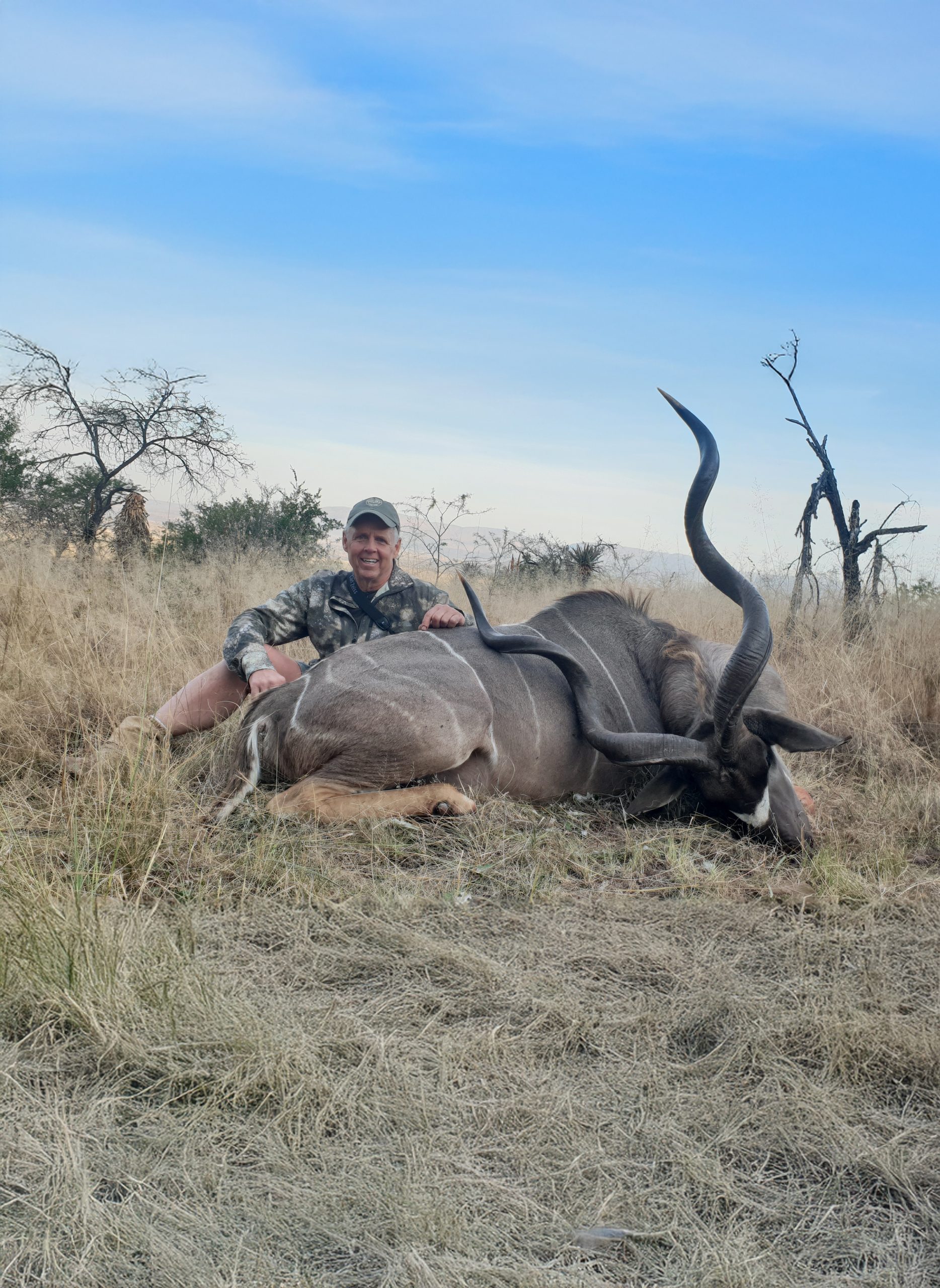
What is a spiral-horn safari?
A spiral-horn safari combines the planning and hunting methods associated with several members of the spiral-horned antelope group. The term “spiral slam” is sometimes used informally for a desired species combination, but definitions can vary between hunters and organizations.
The strongest plan begins with priority species and accepts that each may require different habitat, areas, timing, and arrangements. A meaningful safari does not depend on forcing every name onto a checklist. Lalapa's Hunting page provides the wider safari context.
Which species are associated with a South African spiral-horn safari?
Kudu
Kudu hunting often emphasizes glassing, wind, cover, patient stalking, and careful field judgement. Read the primary Kudu hunting South Africa guide.
Cape bushbuck
Bushbuck are closely associated with dense cover and may require slow observation around thickets, drainage lines, or riverine habitat. Exact areas and availability must be confirmed.
Nyala
Nyala planning depends strongly on the property, habitat, current availability, and legal arrangements. Lalapa should confirm whether and where a nyala hunt can be arranged for the proposed dates.
Eland
Eland are large, mobile antelope. A hunt may involve extensive glassing, tracking, walking, and careful rifle planning. Confirm whether Cape eland or another classification applies to the specific arrangement.
How do terrain and hunting approach differ?
| Species | Planning emphasis | Questions to confirm |
|---|---|---|
| Kudu | Glassing, wind, broken cover, patient stalks, field judgement. | Area, Cape/greater terminology, movement, current availability. |
| Cape bushbuck | Dense cover, careful observation, short decision windows. | Habitat, method, legal area, likely physical demands. |
| Nyala | Habitat-specific stalking and property arrangements. | Whether offered, location, travel, conditions, availability. |
| Eland | Tracking, glassing, distance on foot, larger-animal rifle planning. | Classification, area, fitness, rifle and bullet requirements. |
These are planning distinctions, not promises about how any particular hunt will unfold. Weather, pressure, animal movement, visibility, and the professional hunter's judgement can change the method.
How do you plan a realistic multi-species safari?
- Choose one or two priorities. Separate must-discuss species from optional opportunities.
- Confirm current arrangements. Ask where each species would be hunted and whether transfers are needed.
- Allow flexible hunting days. Do not build an itinerary that depends on a result every day.
- Match equipment to the full list. The largest realistic species and expected terrain influence rifle planning.
- Plan the non-hunting logistics. Accommodation, companions, travel extensions, taxidermy, and budget matter too.
Use Lalapa's Safari Planning hub and free-range hunting guide to assess the wider experience.
What should an itinerary allow for?
A spiral-horn itinerary should allow for arrival recovery, rifle checks, changing weather, animal movement, travel between approved areas where necessary, and time to pursue priority species without rushing. The right number of days depends on the species list, areas, hunter fitness, companions, and travel plans.
Ask Lalapa for a written itinerary framework based on current availability. Avoid treating a sample schedule as a guarantee or fixed duration.
What rifle, ammunition, and equipment planning is required?
Choose equipment around the largest realistic species, expected distances, terrain, recoil tolerance, and the hunter's ability to shoot accurately from field positions. Kudu, bushbuck, nyala, and eland are not one identical rifle conversation. Bullet construction and placement guidance must come from the professional hunter.
Practice from sticks and other supported positions, bring broken-in boots, and use layered clothing suited to current Eastern Cape conditions. Review Lalapa's rifle hunting guide.
Safety and legal note: Confirm firearm, ammunition, airline, import, export, and permit requirements with Lalapa and relevant authorities. Always follow the professional hunter's instructions. This page is not legal or firearms advice.
How should hunters prepare physically?
Prepare for repeated walking on uneven ground, careful movement, and the need to settle quickly into a stable shooting position. Regular walking, hills or stairs, and realistic practice after mild exertion are more useful than an extreme last-minute fitness plan. Disclose mobility or medical considerations before dates and areas are finalized.
When should taxidermy and trophy shipping be discussed?
Discuss taxidermy goals before the safari because a multi-species plan affects field preparation, dip-and-pack or mounting choices, documentation, packing dimensions, shipping costs, and timelines. Ask who will provide updates and which costs are separate from Lalapa's safari charges.
Continue with the taxidermy and trophy-shipping guide. Regulations and shipping processes change, so confirm current requirements with the relevant providers and authorities.
How do accommodation, companions, and travel fit the safari?
A multi-species plan should include the whole trip, not only hunting days. Review Lalapa's lodge accommodation, clarify companion expectations, and decide whether photo-safari or other travel time belongs before or after the hunt. Lalapa's Travel & Safari Info page provides the current planning route, while the About Lalapa Safaris page explains the outfitter's published background.
How much does a spiral-horn safari cost?
The total depends on current daily rates or packages, trophy fees, number of days, guide ratio, species actually arranged, travel between areas, companions, rifle arrangements, taxidermy, shipping, and external travel. Do not rely on a generic “spiral slam” price.
Use the current Lalapa pricing page as the factual starting point, then request a written quotation identifying inclusions, exclusions, species terms, and validity dates.
Spiral-horn safari FAQ
Which animals are part of a spiral-horn safari?
Kudu, bushbuck, nyala, and eland are commonly discussed in South African spiral-horn planning. The exact list and definition can vary, and every species must be confirmed.
What is a South African spiral slam?
It is an informal hunting goal based on a chosen group of spiral-horned antelope. Hunters should clarify the definition they are using rather than assume one universal list.
Can all spiral-horn species be hunted in one area?
Do not assume so. Species, habitat, legal areas, and current arrangements may require different locations or may make a species unavailable for the proposed trip.
How many days does a spiral-horn safari require?
There is no fixed duration. The answer depends on priorities, areas, travel, weather, animal movement, and the hunter's pace. Ask for a realistic framework rather than a guarantee.
Can companions join a spiral-horn safari?
Yes, companions can be included in the planning conversation. Confirm lodge space, daily arrangements, transport, and optional travel activities before booking.
Build a realistic spiral-horn safari
Send Lalapa your priority species, dates, hunting days, experience, rifle plans, number of hunters and companions, and taxidermy questions. Lalapa can confirm what can currently be arranged and prepare an appropriate quotation.
Identify South African spiral-horned antelope
Use the spiral-horned antelope species guide to compare Kudu, bushbuck, nyala and eland before planning current options.