South African species guide
Spiral-Horned Antelope of South Africa
South Africa's best-known spiral-horned antelope include Greater Kudu, bushbuck, nyala and common eland. They belong to the tragelaphine group of African bovids, but differ greatly in size, appearance, habitat and behaviour; males carry horns in all four species, and female common eland also have horns.
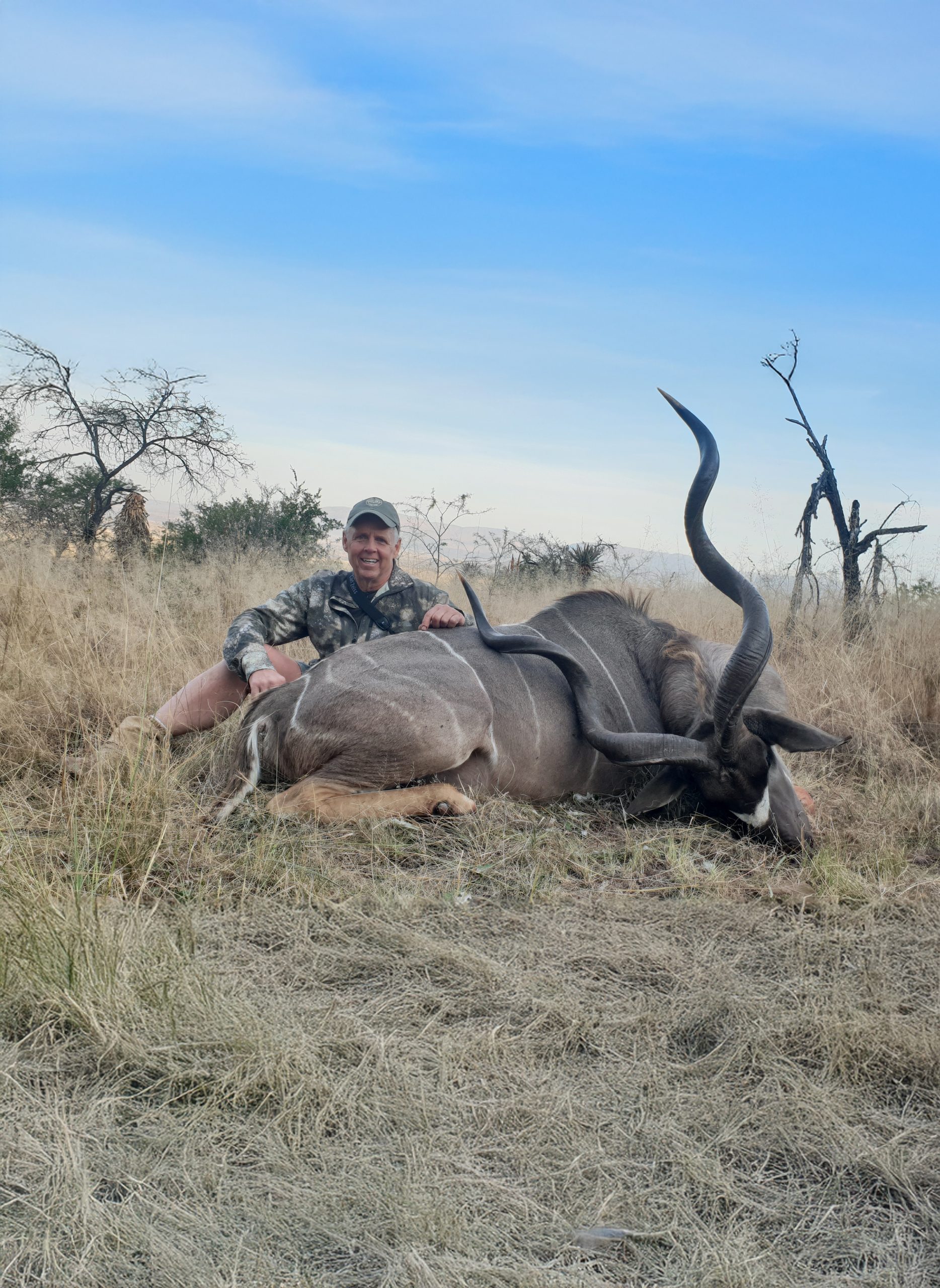
What makes an antelope spiral-horned?
The description refers to the twisted or spiralling horn form developed by males in several related African bovids. It does not mean that every species has the same horn shape, body plan or habitat. Female Kudu, bushbuck and nyala normally lack horns. Common eland are an exception: both males and females have horns.
What is the Tragelaphini group?
Tragelaphini is a tribe within the family Bovidae that includes Kudu, bushbuck, nyala, eland, bongo and sitatunga. Genus boundaries and bushbuck taxonomy have changed as genetic evidence develops, so scientific names should be checked against a current database. A recent peer-reviewed phylogenetic study describes Tragelaphini as a monophyletic African group with substantial ecological and physical diversity.
Which species are commonly discussed?
Greater Kudu
Tragelaphus strepsiceros is recognised by large ears, pale vertical stripes and the mature male's long spiral horns. Kudu favour browse and cover across thicket, woodland and broken country. Read the Kudu hunting authority guide.
Cape bushbuck
Bushbuck are compact, secretive antelope strongly associated with cover. “Cape bushbuck” or “southern bushbuck” is common regional usage, while scientific treatment of bushbuck lineages has changed. Males are darker and horned; females are generally smaller and reddish-brown.
Nyala
Tragelaphus angasii shows pronounced sex differences. Mature males are dark, shaggy and horned, while females are smaller, chestnut-coloured and boldly striped. Nyala favour dense woodland, thicket and riverine cover within their natural and managed South African range.
Common eland
The common eland is often listed as Tragelaphus oryx or Taurotragus oryx, depending on the taxonomic treatment. It is the largest species in this comparison, with both sexes showing some striping or markings variably and mature males developing a heavy neck and horn bases.
How do identification and distribution differ?
Identification should use a combination of body size, coat colour, stripes, ears, mane, horn form, sex and habitat. Kudu are tall, grey-brown and long-eared; bushbuck are compact and cover-dependent; nyala males and females look markedly different; eland are much larger and more cattle-like in build.
Broad distribution is not current hunt availability. Greater Kudu occur widely in South Africa; bushbuck occur in suitable cover in parts of the south and east; nyala are naturally associated mainly with the country's north-east and have also been established in managed areas; common eland occur across suitable open woodland, savanna and semi-arid landscapes. Property, province, permits and current arrangements must all be confirmed.
How do habitat and behaviour shape observation?
Habitat determines how each animal is located. Kudu may be glassed across broken slopes or encountered at thicket edges. Bushbuck often require slow, quiet attention to dense cover and short openings. Nyala use woodland and thicket mosaics, while eland can range widely through more open country.
Behaviour also changes with sex, age, season, food, water and disturbance. A species summary cannot predict the position of an individual animal. Relative size matters for field identification and safe equipment planning, but this guide avoids unsupported weight ranges.
How do hunting methods and terrain differ?
| Species | Identification clue | Typical habitat context | Planning implication |
|---|---|---|---|
| Greater Kudu | Tall body, large ears, stripes; mature males with long spirals. | Thicket, woodland and broken slopes. | Glassing, wind and patient stalking can be central. |
| Cape bushbuck | Compact body; males darker and horned. | Dense thicket, forest edge and riverine cover. | Close cover demands quiet movement and careful identification. |
| Nyala | Strong male/female colour and size contrast. | Dense woodland and thicket mosaics. | Availability and area often shape the itinerary. |
| Common eland | Very large build with mature male neck development. | Open woodland, savanna and broad-ranging country. | Tracking distance, fitness and sufficient time may matter. |
All shot selection, equipment and field conduct must follow the professional hunter's guidance. A “Spiral Slam” is an informal hunting goal whose species list varies; it is not a scientific category or fixed Lalapa package.
Why does a realistic species plan matter?
A useful plan begins with one or two genuine priorities, then adds alternatives that fit the current area, habitat and available days. Assuming that four names can be checked off in one location creates poor expectations and may force unnecessary travel. Lalapa's commercial Spiral-Horn Safari page explains itinerary planning; this page remains an identification and ecology resource.
Ask which species are currently possible, where each would be hunted, what travel between areas is required and what happens if conditions change. Compare Cape and Greater Kudu terminology, free-range context, the Hunting overview, current pricing and Safari Planning.
Sources and scientific qualifications
Scientific facts on this page are framed around maintained taxonomy and peer-reviewed research, including the ASM Mammal Diversity Database and published phylogenetic research on Tragelaphini. Common names and genus assignments can differ among sources, particularly for bushbuck and eland. The name used by a hunting organisation may also differ from the name used in a zoological database.
No distribution statement on this page confirms species availability at Lalapa. Contact the team, then verify travel and area details in Travel & Safari Info.
Spiral-horned antelope FAQ
Which spiral-horned antelope occur in South Africa?
Greater Kudu, bushbuck, nyala and common eland are the main South African examples discussed by hunters and wildlife enthusiasts, although distribution and current availability differ.
Do female spiral-horned antelope have horns?
Female Greater Kudu, bushbuck and nyala normally lack horns. Both male and female common eland have horns. Sex differences in coat and size vary by species.
Is a Spiral Slam a scientific group?
No. “Spiral Slam” is an informal hunting term, and its species list can vary. It should not be confused with formal zoological classification.
Are all four species available through Lalapa Safaris?
Do not assume so. Hunting areas, species availability, legal arrangements and timing must be confirmed directly with Lalapa for each proposed safari.
Are eland in the same group as Kudu?
Yes. Eland and Kudu belong to the tribe Tragelaphini, although scientific sources may place eland in either Tragelaphus or Taurotragus.
Plan a realistic spiral-horn safari
Share your priority species, dates, hunting days, experience, companions and travel flexibility. Lalapa can confirm current options and explain where a multi-area plan may be necessary.